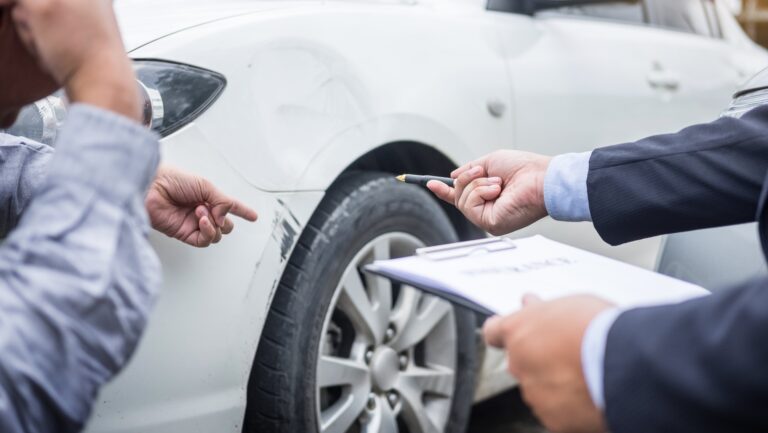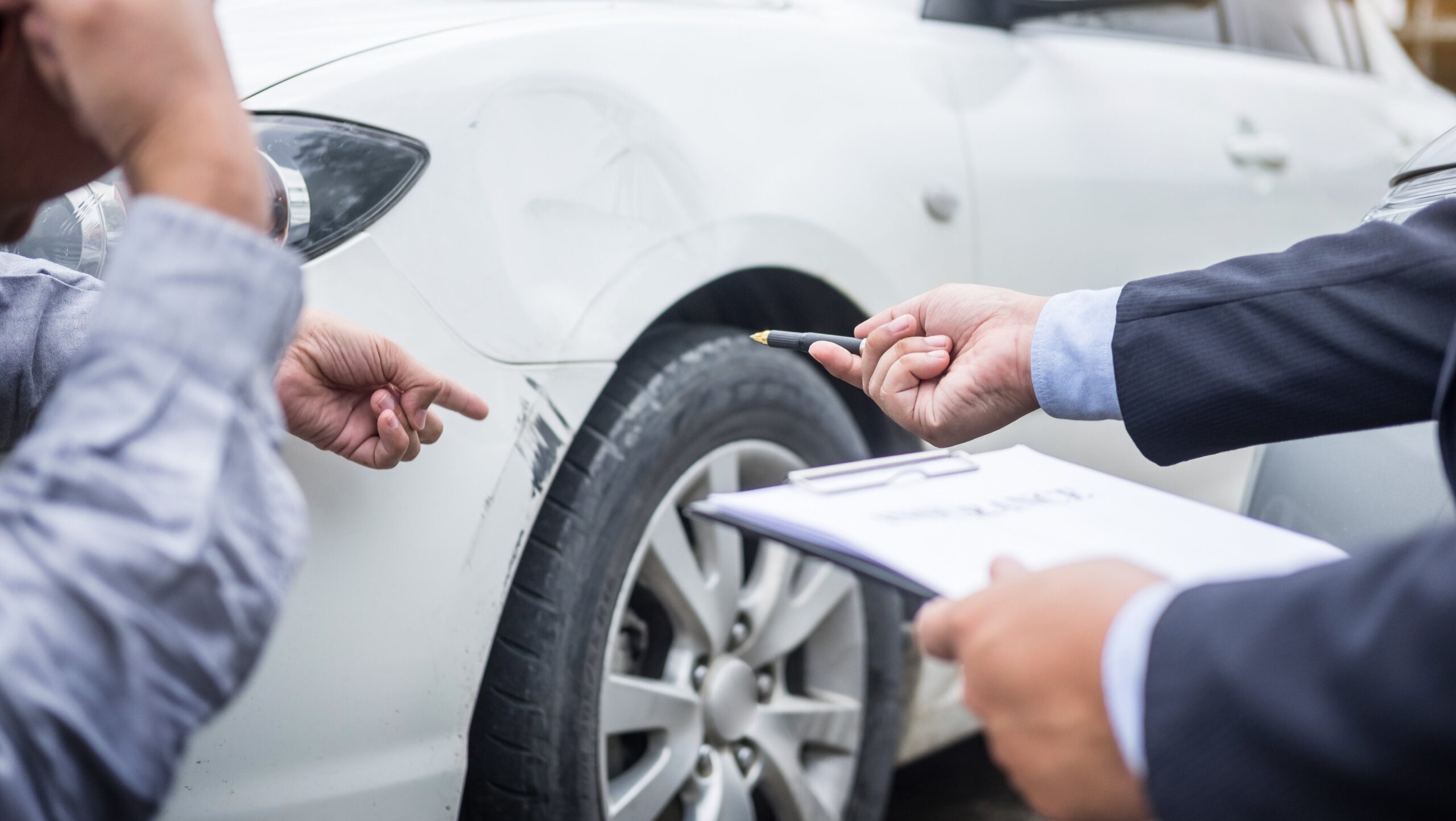
Consider your car for a moment; it’s not just a collection of metal thrown together with wheels. It represents your freedom and mobility. It’s also a convenience, not to mention it can also be quite an investment. So, when you get an unexpected ding in a parking lot or an outright accident occurs, the repair process can feel like a labyrinth of doom. Between insurance adjusters, parts suppliers, and repair shops, it can feel like nothing is happening at all, and when it does, it often feels like a dissatisfying process.
To overcome all of this, the market is adopting AI-powered Vehicle Damage Detection Software. AI can figure out how badly a car is damaged in seconds using only a smartphone camera by integrating deep learning, computer vision, and sophisticated analytics. It is changing the way cars are checked and claims are handled in a big way.
Let’s have a look at how AI Vehicle Damage Detection Software Development is really used in the real world, which sectors benefit the most, what new technologies are coming up, and how businesses may utilize these tools.
The Traditional Challenges in Vehicle Damage Assessment
Delays and Discrepancies in Manual Inspection
In the old way of doing things, a person would go to the scene of an accident to check out the car. This might take anything from a few hours to a few days, depending on how busy they are, where they are, and how many people are available. Next, the inspector’s comments and pictures are sent to get repair quotes. This approach is not only slow, but it is also not always reliable.
False Claims and Mistakes by People
One of the most expensive challenges in the worldwide vehicle insurance sector is fraud. Estimates from the industry say that insurance fraud costs the globe over 10% of all claims paid. People who check things may overlook red flags, either on purpose or by accident. Even something as basic as recycling previous pictures of damage again might get fake claims authorized.
Rising Costs of Repairs and Fights Over Insurance
Cars are more complicated and intelligent now. This can increase repair costs and cause many disagreements between consumers and insurance companies about coverage and cost. When individuals do manual inspections, they often do not see all of the comprehensive information and may underestimate or overestimate.
No Consistency in Repair Cost Estimates
Insurance companies have different procedures for estimating the cost of damage and repair. One insurance company may estimate the repair cost at $500, and another company may estimate it at $900. Consumers are unhappy with the inconsistency, which creates additional disputes.
Key Benefits of AI Vehicle Damage Detection
- An instant, automatic, and very accurate evaluation of car damage
- Standardized cost estimates for all insurers and areas
- Getting rid of bias and inconsistencies in people
- Detecting fraud by using powerful image and data validation
- Cut the time it takes to process claims from weeks to minutes
- Better trust and openness with customers
- Lower expenses of running the business and quicker repair times
- Technology that can grow and be used all around the world
AI Vehicle Damage Detection Software Use Cases
AI’s promise isn’t just a theory; it’s quite useful. Let’s look at how AI Vehicle Damage Inspection may be used in many fields in the real world.
Insurance Industry Use Cases
AI-driven damage inspection has been used by the insurance industry for a long time.
Automated Claims Processing and Instant Settlement
Think about being in a little accident. You don’t have to wait days for an adjuster anymore. You simply open your insurance company’s app, snap a few pictures, and get an estimate for the repairs right away. This is achievable because of AI.
Fraud Detection Through Image and Data Analysis
AI algorithms look at information, past claims histories, and even differences in lighting and angles in images that were sent in to find fraud. This saves insurers billions of dollars each year and speeds up the processing of valid claims.
Accurate Damage Estimation for Faster Payouts
AI models utilize millions of pictures of damaged cars to learn how to provide repair estimates that are more accurate than what a person would guess. This makes payouts more accurate and cuts down on arguments.
Customer Self-service Claims via Mobile Apps
The future of insurance is self-service. More and more customers want to be able to submit, monitor, and pay claims on their cellphones. AI-powered inspection software makes this possible by giving customers a smooth and easy-to-use experience.
Automotive Manufacturers & Dealerships
AI-driven examinations help both manufacturers and dealerships before and after a sale.
Pre-delivery Vehicle Inspection Automation
Before a car leaves the manufacturer and goes to a client, it must be examined for scratches, dents, and damage that happened during transit. AI achieves this with extreme accuracy, so that consumers receive cars with no defects.
Quality Control During Assembly and Production
From cameras powered by AI in the production line, even anything as small as a bubble in the paint or misaligned parts can be identified, which human inspectors at times overlook. Overall, this prevents recalls down the road and therefore improves the overall brand perception.
Trade-In and Resale Vehicle Valuation
Customers regularly argue with dealerships over how much their trade-ins are worth. AI-based inspection tools provide reports that are clear and supported by evidence, so both sides can trust them. This makes transactions go more smoothly.
Warranty Claims Verification
AI can automatically figure out whether a warranty claim is acceptable by looking at whether the damage was caused by a manufacturing flaw or something else, like an accident. This keeps manufacturers safe from bogus warranty claims and speeds up approvals.
Fleet Management & Logistics
Fleet owners, such as delivery businesses and big logistics corporations, have to keep track of thousands of cars.
Automated Fleet-Wide Damage Tracking
AI lets fleet managers keep digital records of how each vehicle is doing. Companies may hold people accountable for damages by looking at pictures of the area before and after an inspection.
Predictive Maintenance Using AI Analytics
AI and telematics can look at patterns of wear and tear to forecast failures, which cuts down on unexpected breakdowns.
Inspection of Leased and Commercial Vehicles
When handing over leased cars, there are often problems. AI handles the procedure, making digital inspection records that are fair.
Real-Time Condition Monitoring with IoT Integration
Fleets can keep an eye on not just cosmetic damage but also sensor or mechanical problems in real time by combining AI damage detection with IoT devices.
Car Rental & Leasing Companies
Speed and trust are two things that the automobile rental business depends on, and AI has a major effect on both of them.
Before-And-After Rental Inspections Via AI
Rental personnel don’t have to go around vehicles with clipboards anymore. Instead, AI looks at pictures taken before and after rentals that have a time stamp on it. It can even find microscopic imperfections.
Dispute Resolution Between Customers and Providers
AI-generated inspection reports provide proof that is not prejudiced. This makes sure that consumers only pay for damages that happened while they were renting.
Faster Rental Cycle Turnover with Automated Reports
AI cuts down on the time it takes to rent anything again by a lot. You can clean, check, and put cars back into operation in only a few hours, which makes the most of their use.
Damage Liability Verification
AI ensures that responsibility is fairly distributed, which protects both consumers and suppliers from unjust costs or damages that go unnoticed.
Repair Shops & Service Centers
AI supports repair shops to provide faster, more reliable service.
Ai-Powered Repair Cost Estimation
By quickly identifying broken parts and assessing the work needed, AI provides accurate cost estimates that are easier for customers.
Autonomous Parts Requirement and Ordering
Once damage has been identified, AI can order the part immediately, resulting in less downtime.
Workflow Optimization from Inspection to Repair
AI integrates an inspection with shop management software to ensure that the inspection, diagnosis, and delivery phases operate smoothly.
Ar/Vr-Assisted Repair Simulations
More sophisticated shops have AR headset technology that allows viewing instructions for details that are difficult to repair. For example, a mechanic can “see” how to remove a bumper containing sensors before actually doing so.
Law Enforcement and Accident Analysis
AI is also beneficial to police departments when investigating accidents.
AI-assisted assessment of the accident scene
AI-utilized drones and body cameras evaluate the collision scene in real time for assessing the damage to the vehicles and validating reports.
Collecting objective evidence for dispute resolution
With AI producing digital inspection records, there is less need for subjective witnesses, and the court case has objective facts.
Streamlining insurance and legal workflows
Insurance companies have quick access to law enforcement evidence, speeding up the determination of fault and settlement of the claim.
Emerging and advanced use cases
Next-generation AI is already underway with pilot programs examining the harm of the future.
Drone-based Vehicle Damage Inspection Following Accidents
Drones provide a rapid and safe solution to inspect accidents in high traffic or hazardous conditions, such as on highways, and quickly provide a report on the scene.
3d Imaging and Lidar for Precision Mapping
LiDAR scanners produce detailed 3D models of damaged vehicles, indicating structural damage invisible to the naked eye.
Secure Inspection Records on Blockchain Networks
Inspection data on blockchain networks cannot be edited, providing visibility to insurance, repair, and consumers.
Augmented and Virtual Reality Customer Engagement in Claims
Insurance companies are piloting applications that engage the use of augmented reality to permit app clients to view virtual overlays of anticipated repairs on the damaged vehicles.
Future Potential Use Cases
The possibilities only become bigger as time goes on.
Generative AI for predictive repair cost modeling
Generative AI can do more than just respond to harm; it can also simulate repair outcomes and anticipate expenses more accurately.
Voice/Chatbot-enabled instant inspection requests
Imagine saying, “Hey, file a damage inspection for my car,” and a chatbot starts the procedure without any applications or paperwork.
Global adoption in cross-border auto insurance claims
As more people travel and move cars across the world, standardized AI inspection technologies might make claims across borders as easy as those inside the same country.
How A3logics can help you develop an AI-based Auto damage detection software
It is hard to develop an AI-powered inspection system that can grow. It involves knowing AI model training, cloud computing, computer vision, and workflow automation.
A3logics creates custom AI Vehicle Damage Detection Software for fleet operators, rental companies, insurers, and original equipment manufacturers (OEMs).
- We are specialists in the entire creation of AI inspection systems for the web and mobile in the cloud.
- Deep learning models that are made just for you and trained on millions of pictures of cars
- Works well with insurance systems, ERP, and CRM tools
- Support for sophisticated and new use cases in blockchain and IoT
- Apps that let customers do their own inspections
- Deployment that can grow to manage workloads of enterprise level
Conclusion
There are many Applications of AI Vehicle Damage Inspection, and they are expanding. As new technologies like drones, blockchain, AR/VR, and generative AI become more common, we’ll see ever more sophisticated ways to employ them. These will completely shift the way we process and address vehicle damage.
The time is now for firms who want to remain relevant to invest in the Use cases of AI Vehicle Damage Detection Software. The benefits extend beyond the operation of a more organized process; it is a major advancement toward a more intelligent and safe and customer-centric automotive ecosystem.
About the Author