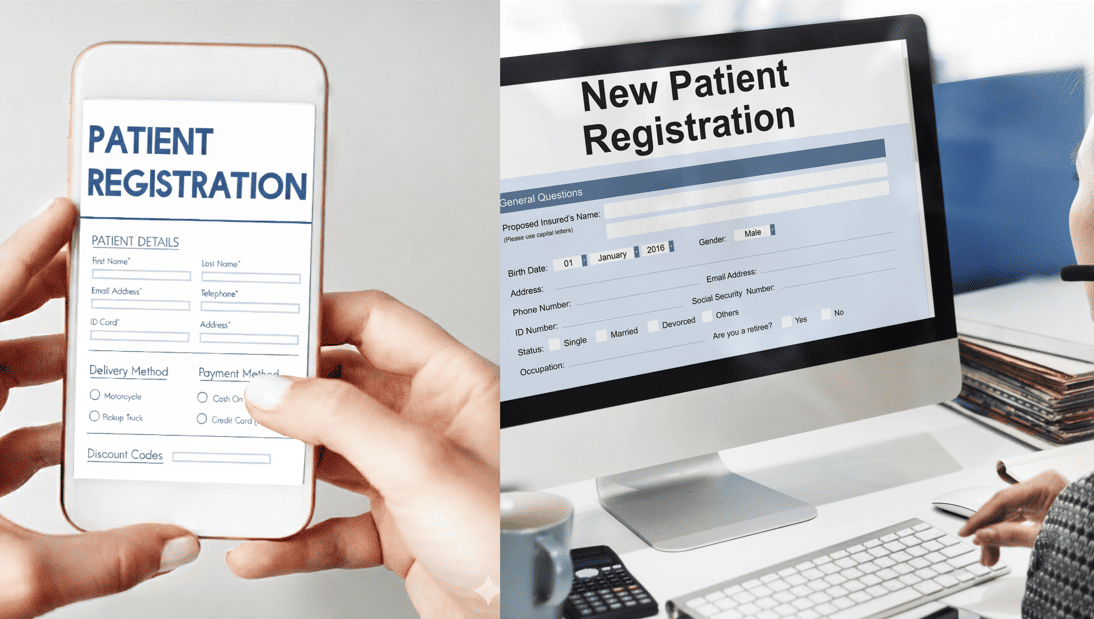
Healthcare organizations often depend on stable digital systems, and this provides patients with uniform, compliant care. Electronic health record platforms managed by professionals can promote efficiency, security, and accuracy. Through systematic supervision, trusted service providers are able to align technical systems with clinical and administrative objectives. Here are some of the responsibilities of an eClinicalWorks system administrator:
Support Daily Operations and Issues
The eClinicalWorks system administrator makes sure electronic health records are operational and convenient to the providers and staff. This administrator may provide support for system-related issues and user queries. Experienced administrators troubleshoot problems, fix access issues, and handle workflow interruptions in a timely manner. Their contribution helps minimize downtimes so that clinical teams stay productive. Skilled system administrators can also implement setups to suit your organization’s operational needs; these modifications comprise templates, forms, user roles, and permissions. When configured properly, the providers are able to document efficiently and adhere to consistent workflows. Their continuous assistance enables staff to concentrate on patient care instead of system issues.
Control System Performance and Compliance
Regulatory alignment and stability of systems may be among the core duties of eClinicalWorks system managers. Some administrators check performance measures to maintain good accessibility and responsiveness, and they handle the upgrades, patches, and configuration changes. Every upgrade can facilitate platform performance without interfering with the normal operations.
An eClinical system helps make sure that patient information is secure by applying stringent security measures. Professionals should implement access policies and observe healthcare regulatory compliance; they monitor healthcare systems to bolster privacy requirements compliance and minimize operational risk. Your organization may benefit from strong governance that promotes the integrity of the system in every department.
Streamline Processes and Data Storing
Skilled administrators streamline operations to enhance efficiency and minimize documentation mistakes. They audit the data mappings and fix inconsistencies that influence the accuracy of reporting; these initiatives facilitate accurate clinical documentation and decision-making. Clean data enhances operational insight and care coordination.
Optimizing workflow involves creating organized templates and notifications; these tools can be customized to provider preferences and reporting specifications. Administrators perform adaptations that simplify the paperwork and promote uniform record-keeping. The resulting efficient working processes can help save time and lessen your administration’s workload.
Train Teams and Guide Improvement
System administrators may train medical personnel; they mentor employees on the functionality of the system, workflows, and good practices. Administrators who deliver easy-to-understand instructions help enhance the skills of system users and minimize errors. Administrators may receive feedback and evaluate patterns of system utilization to detect areas of improvement. Established system administration teams can apply ongoing platform improvement strategies that align with the technology and operational targets.
Work With an eClinicalWorks System Administrator
An eClinicalWorks system administrator can influence the successful application of healthcare technologies. Some system administrators assist everyday users, are in charge of performance, and enhance workflow; their skills influence electronic health record practices that comply with regulations. Contact healthcare system administration teams today to learn more about how professional IT systems support can improve your organization’s processes.
About the Author