In the fast-paced world of design and manufacturing, precision is key. Engineers, designers, and makers need accurate models to create functional parts, prototypes, and products that meet exact specifications. Traditional measurement tools often fall short, especially for complex or irregular shapes. This is where a 3d laser scanner comes in, providing unmatched accuracy for reverse engineering and prototyping.
By capturing real-world objects in incredible detail, 3D laser scanners allow users to create precise digital models. These models can be analyzed, modified, and prepared for 3D printing or production, saving time and reducing costly errors.
What Is a 3D Laser Scanner?
A 3d laser scanner uses laser light to measure the surface geometry of an object. The device projects a laser onto the object and detects how it reflects back. This data is collected as thousands of points across the object’s surface, forming a point cloud that represents the object’s exact shape.
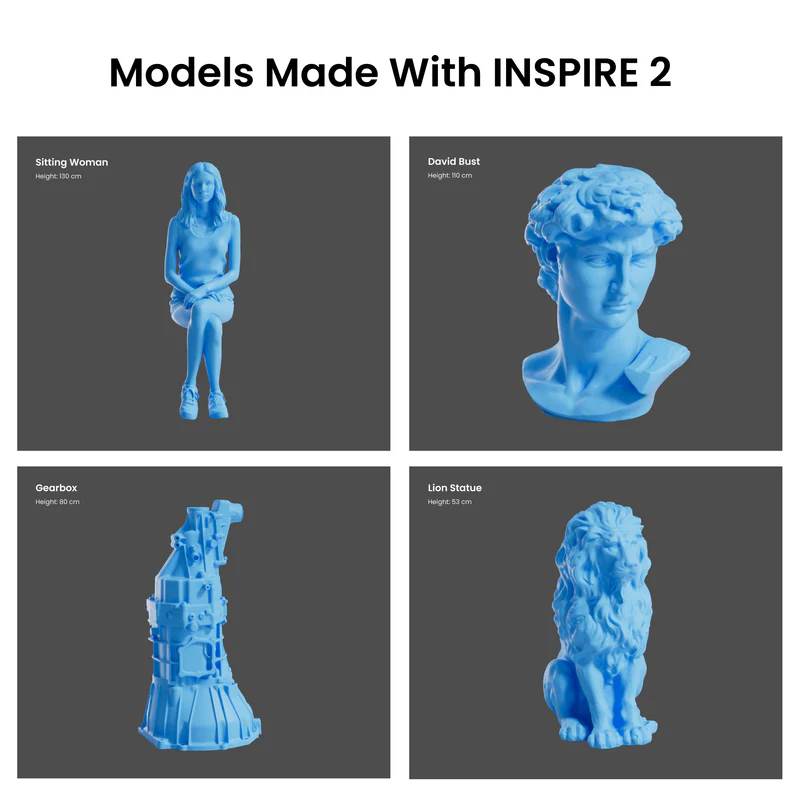
Once processed, this point cloud is converted into a digital 3D mesh. Designers and engineers can then refine the mesh, adjust features, and export it in formats compatible with CAD software or 3D printers.
Compared to traditional tools, a 3d scanner captures far more detail, making it ideal for tasks that require high precision.
Reverse Engineering with 3D Scanners
Reverse engineering involves recreating a part or product without existing design files. This is often necessary when dealing with legacy components, discontinued products, or parts that need modifications.
Using a 3d laser scanner, engineers can quickly capture the exact dimensions and shapes of an object. The digital model created can then be used to:
- Reproduce the part accurately
- Modify or improve the design
- Integrate the part into new assemblies
- Analyze dimensions and tolerances for quality control
For example, a mechanical engineer can scan a worn-out gear, create a precise digital model, and 3D print a replacement or send it for manufacturing. This eliminates guesswork and ensures that the new part fits perfectly.
Prototyping Made Faster and More Accurate
Prototyping is another area where 3D laser scanners excel. Traditionally, prototypes are either modeled manually or built from existing sketches, which can be time-consuming and prone to errors.
With a 3d scanner, designers can scan physical prototypes or mock-ups and create accurate digital models instantly. This allows for rapid iterations:
- Scan → Modify → Print → Test → Improve
The result is a faster design cycle, more precise prototypes, and reduced material waste. High-resolution scanning ensures even small details, curves, or surface features are captured correctly, making prototypes closer to the final product.
Advantages of Using 3D Scanners
Using a 3d laser scanner for reverse engineering and prototyping offers several advantages:
- High Accuracy: Captures fine details and complex geometries that are difficult to measure manually
- Speed: Scanning is faster than manual modeling, allowing for more iterations in less time
- Versatility: Suitable for a wide range of objects, from small mechanical parts to larger prototypes
- Reduced Errors: Digital models are precise, minimizing the risk of mistakes in production
- Ease of Use: Modern scanners are user-friendly, making them accessible to beginners and professionals alike
By providing accurate digital data, 3D scanners streamline workflows and improve the quality of designs and products.
Revopoint: Trusted Scanning Solutions
Companies like Revopoint have made professional-grade scanning technology accessible and reliable. At Revopoint, users can explore handheld and portable scanners designed for precision, speed, and usability.
Revopoint scanners are recognized for:
- High-resolution scanning for capturing fine details
- Lightweight and portable designs for flexible workflows
- Real-time tracking to reduce scanning errors
- Seamless compatibility with CAD software and 3D printing platforms
These features make Revopoint scanners ideal for anyone looking to integrate a 3d scanner or 3d laser scanner into reverse engineering or prototyping workflows.
Tips for Optimal Scanning Results
To get the best results when using a 3D scanner:
- Ensure proper lighting to reduce scanning noise
- Keep objects stable to prevent distortion
- Scan from multiple angles to capture all surfaces
- Refine the digital model with software tools before exporting
Following these steps ensures high-quality, accurate digital models ready for printing, analysis, or further design work.
Final Thoughts
In 2026, 3D scanning has become a critical tool for engineers, designers, and makers. A 3d laser scanner allows users to capture real-world objects with exceptional accuracy, making reverse engineering and prototyping faster, easier, and more reliable.
By turning physical objects into precise digital models, a 3d scanner streamlines workflows, reduces errors, and enables rapid design iterations. Handheld and portable scanners, like those from Revopoint, make this technology accessible and practical, whether you are a professional in engineering or a hobbyist exploring creative projects.
For anyone involved in product development, prototyping, or reverse engineering, integrating a 3D laser scanner into your workflow ensures that your designs are accurate, detailed, and production-ready—saving time, materials, and effort while unlocking new possibilities for innovation.
About the Author