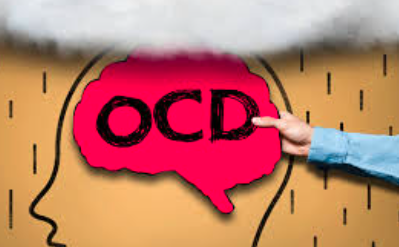
Obsessive-Compulsive Disorder (OCD) is a chronic mental health condition characterized by intrusive thoughts and repetitive behaviors that interfere with daily life. While OCD has long been misunderstood as simply being overly organized or detail-oriented, psychiatry in 2026 recognizes it as a complex neurobiological disorder requiring specialized treatment. With advances in research, therapy, and medication management, individuals living with OCD now have more effective options than ever before.
Understanding OCD: More Than Habits
OCD consists of two primary components: obsessions and compulsions. Obsessions are persistent, unwanted thoughts, images, or urges that cause distress. Compulsions are repetitive behaviors or mental rituals performed to reduce that anxiety.
Common obsession themes include contamination fears, harm-related thoughts, symmetry concerns, and intrusive taboo thoughts. Compulsions may involve excessive cleaning, checking, counting, repeating phrases, or seeking reassurance. Importantly, individuals with OCD typically recognize that their thoughts are irrational, yet they feel unable to stop the cycle.
A comprehensive psychiatric evaluation is essential for accurate diagnosis. A qualified Westfield psychiatrist assesses symptom severity, duration, functional impairment, and any co-occurring conditions such as anxiety or depression.
The Neurobiology of OCD
Research in 2026 continues to highlight differences in brain circuits involving the orbitofrontal cortex, anterior cingulate cortex, and basal ganglia. These areas regulate error detection, threat perception, and behavioral control. In OCD, this circuitry becomes hyperactive, leading to persistent doubt and repetitive behaviors.
Serotonin dysregulation also plays a significant role. Genetic predispositions can increase vulnerability, but environmental stressors may trigger symptom onset.
Understanding these biological underpinnings allows psychiatrists to tailor treatment strategies that address root causes rather than simply suppress visible behaviors.
Evidence-Based Treatment Approaches
Modern psychiatric treatment for OCD typically combines psychotherapy and medication for optimal results.
Exposure and Response Prevention (ERP)
ERP remains the gold-standard therapy for OCD. This structured form of cognitive behavioral therapy gradually exposes individuals to feared situations while helping them resist compulsive behaviors. Over time, anxiety diminishes and the brain learns that feared outcomes are unlikely.
Medication Management
Selective serotonin reuptake inhibitors (SSRIs) are commonly prescribed at higher therapeutic doses for OCD compared to depression or generalized anxiety. In some cases, augmentation with other medications may be recommended. A skilled Westfield psychiatrist carefully monitors medication response and adjusts dosing to maximize effectiveness while minimizing side effects.
Advanced Interventions
For treatment-resistant OCD, options such as transcranial magnetic stimulation (TMS) or other neuromodulation therapies may be considered. These emerging treatments target specific brain circuits involved in compulsive behaviors.
The Importance of Early Intervention
OCD often begins in childhood or adolescence, but many individuals do not seek treatment until adulthood. Delayed care can allow compulsive patterns to become deeply ingrained, making treatment more challenging.
In 2026, public awareness campaigns and school-based screenings have improved early detection. When individuals recognize intrusive thoughts or ritualistic behaviors interfering with their lives, seeking evaluation from a Westfield psychiatrist can significantly shorten the path to recovery.
Early intervention improves long-term outcomes and reduces the likelihood of secondary depression or social isolation.
OCD and Daily Functioning
OCD can affect work performance, academic success, relationships, and overall quality of life. Individuals may spend hours performing rituals or mentally reviewing events to relieve anxiety. This can lead to missed deadlines, relationship strain, or exhaustion.
Modern psychiatric care emphasizes restoring functional balance. Treatment plans often include structured routines, time management strategies, and family education to support recovery. Involving loved ones in understanding OCD reduces accommodation behaviors that may unintentionally reinforce compulsions.
Technology and Monitoring Progress
Digital health tools now assist in tracking exposure exercises and symptom progress. Mobile applications guide ERP homework assignments, log anxiety levels, and provide coping tools between sessions. Telepsychiatry platforms also increase accessibility, allowing patients to attend appointments from home.
A Westfield psychiatrist may integrate these tools into care plans to maintain consistency and accountability, particularly for individuals balancing busy schedules.
Reducing Stigma and Misconceptions
One of the most significant shifts in 2026 is the reduction of stigma surrounding OCD. Popular culture once trivialized the disorder as quirky perfectionism, but greater public education now highlights the distress and impairment OCD can cause.
By reframing OCD as a treatable medical condition rooted in brain circuitry, psychiatry promotes empathy and understanding. Individuals are encouraged to seek help without shame.
Long-Term Outlook and Recovery
While OCD is typically a chronic condition, many individuals achieve significant symptom reduction and regain control over their lives with appropriate treatment. Ongoing maintenance therapy, medication when indicated, and relapse-prevention strategies support long-term stability.
Psychiatry today focuses not only on symptom relief but on helping patients reclaim time, relationships, and personal goals that OCD once overshadowed.
Partnering with a knowledgeable Westfield psychiatrist provides access to evidence-based therapies, modern medication management, and compassionate support. With structured treatment and consistent effort, individuals living with OCD can experience meaningful improvement and renewed confidence.
In 2026, hope for OCD recovery is stronger than ever — grounded in science, strengthened by innovation, and guided by personalized psychiatric care.
About the Author